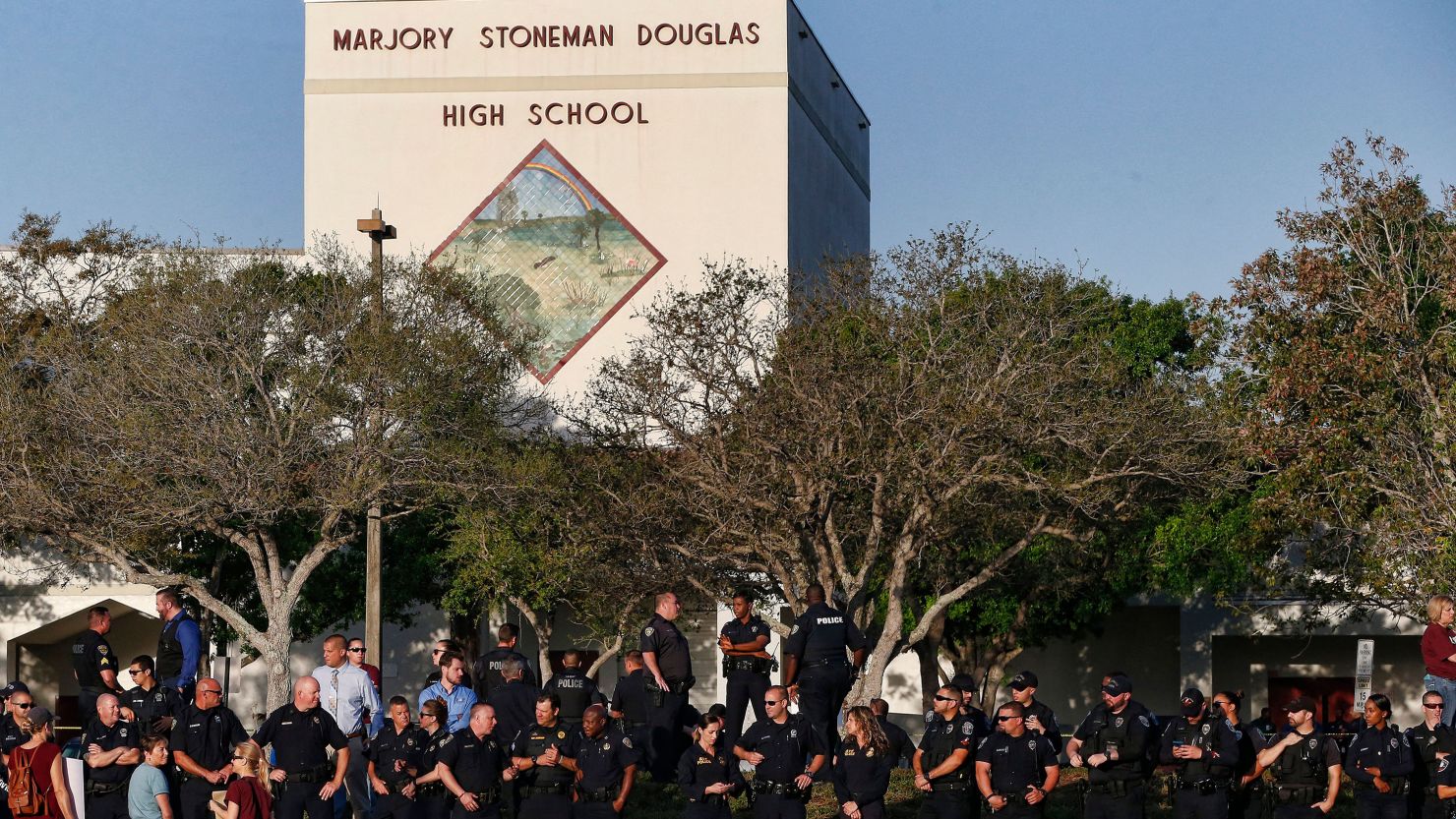
The Marjory Stoneman Douglas High School shooting remains a defining moment in American history, serving as a solemn reminder of the devastating impact of gun violence on our communities. On February 14, 2018, the Parkland, Florida, campus became the site of one of the deadliest school shootings in United States history. Seventeen students and staff members were killed, leaving an indelible mark on the nation and igniting a global conversation about student safety and legislative reform.
As we observe the anniversary of this tragedy, it is important to remember the lives lost, honor the resilience of the survivors, and critically assess the changes that have been implemented in the years since. This article provides a comprehensive overview of the event, the subsequent reforms, and the enduring legacy of the Parkland community.
What Happened
On Valentine’s Day in 2018, a former student entered the campus of Marjory Stoneman Douglas High School armed with an AR-15 style rifle. Over the course of several minutes, the perpetrator opened fire, claiming the lives of 14 students and three staff members while wounding 17 others. Law enforcement arrived to a chaotic scene, eventually apprehending the suspect shortly after he fled the school grounds.
The scale of the massacre prompted immediate nationwide outrage. In the weeks that followed, student survivors organized the March for Our Lives movement, which mobilized millions of people across the world to demand stricter gun control laws and enhanced safety measures in educational institutions.
What’s Happening Now/Next
In the aftermath of the Marjory Stoneman Douglas High School shooting, Florida lawmakers passed the Marjory Stoneman Douglas High School Public Safety Act. This comprehensive legislation introduced red flag laws, increased the age requirement for purchasing certain firearms, and mandated the presence of school resource officers or trained security personnel in every public school.
Ongoing legal and legislative battles continue to shape the narrative. Today, the focus remains on mental health resources, campus hardening strategies, and the continued debate over firearm regulation. Many districts have since implemented high-tech security, including advanced surveillance systems and visitor management software, to prevent unauthorized access.
What This Means For You
For parents, teachers, and school administrators, the tragedy underscores the importance of staying vigilant and informed regarding campus safety protocols. The ripple effects of the shooting are felt in every district that now prioritizes threat assessment teams and emergency preparedness drills. Understanding these changes helps stakeholders identify potential gaps in their own local security infrastructure.
What You Can Do Now
If you are concerned about safety in your local schools, consider the following actions:
- Review your school district’s emergency response plan.
- Advocate for mental health awareness programs within your community.
- Encourage the use of anonymous reporting tools for suspicious behavior.
- Support initiatives that foster inclusive and supportive school climates.
Closing
The Marjory Stoneman Douglas High School shooting is a tragedy that continues to demand our attention and collective commitment to change. While no policy can fully eliminate the risk of violence, consistent action and community engagement are essential to ensuring that schools remain safe havens for learning. We must continue to honor the victims by working toward a future where schools are protected from such horrors.